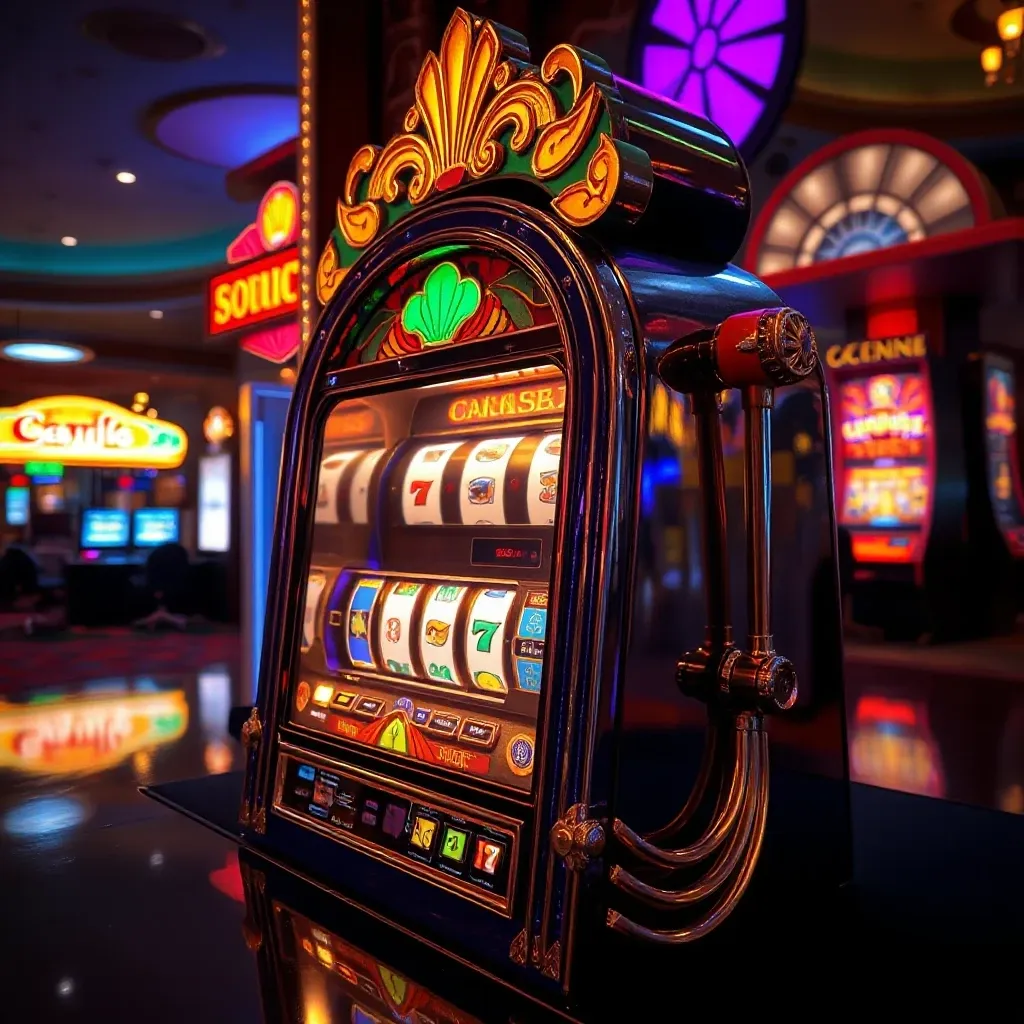
Slot machines: those flashing, spinning, and jingling behemoths found in casinos and online platforms worldwide. They beckon with the promise of instant riches, a siren song that can be hard to resist. But behind the dazzling lights lies a crucial truth: slot machines are a game of chance, and playing them responsibly is paramount.
Countless individuals enjoy the thrill of slot machines without succumbing to problem gambling. They understand the odds, set limits, and treat it as a form of entertainment. However, for others, the allure can become a dangerous obsession, leading to financial hardship and personal turmoil.
That is why navigating the world of slot machines requires a clear understanding of the risks involved and a commitment to responsible gambling. This guide provides expert advice on how to enjoy slot machines safely, ensuring that the experience remains a fun pastime. It’s all about budgeting wisely, recognizing the signs of problem gambling, and understanding that sometimes, the best bet is to walk away.
Understanding the Risks
Slot machines, with their flashing lights and captivating sounds, offer an undeniable allure. They promise instant gratification and the potential for significant wins. However, beneath the surface of entertainment lies a complex web of risks that gamblers should understand.
One of the most significant dangers is the addictive nature of slot machines. Their design, carefully engineered to stimulate the brain’s reward system, can quickly lead to compulsive behavior. The unpredictable nature of wins and losses creates a cycle of anticipation and disappointment, driving players to chase the next big payout. This pursuit can override rational decision-making, leading to substantial financial losses and devastating personal consequences.
The psychological effects of slot machine gambling extend beyond financial concerns. The constant highs and lows can trigger anxiety, depression, and feelings of helplessness. The pressure to win back losses can create a sense of desperation, leading to increased stress levels and strained relationships. The flashing lights, spinning reels, and celebratory sounds are all designed to keep players engaged, often blurring the lines between reality and illusion.
Gambling can also become a way to escape from underlying troubles. The high of winning can feel so great that wanting to keep the feeling going becomes a temptation. Experiencing the highs and lows of gambling can lead to impulse control issues and other risky behaviors, highlighting the importance of recognizing the signs of problem gambling and seeking help before it spirals out of control. It is a constant cycle that slowly alters our brains.
The Illusion of Control
A core element of risk that many players fail to understand is the illusion of control. Slot machines operate using random number generators (RNGs), complex algorithms that ensure entirely random outcomes. Each spin is entirely independent of the previous one, rendering any perceived patterns or strategies entirely irrelevant. The common gambler’s fallacy of thinking an outcome is “due” based on past results has no basis in reality.
Players often misinterpret near misses as indicators of an impending win or develop elaborate systems based on superstitions. It is important to accept that winning and losing is determined purely by chance as each spin is a unique event, governed by the RNG. Recognizing this fundamental truth is essential for responsible gambling.
Setting a Budget and Sticking to It
Turning the flashing lights and spinning reels of slot machines into a source of entertainment, rather than a financial burden, begins with one crucial step: crafting a solid gambling budget. Think of it as your personal ‘fun money’ allocation, a pre-determined amount you’re comfortable spending, knowing full well it’s for entertainment, not a guaranteed return. It’s about money management.
First, assess your overall financial landscape. Tally up your monthly income, subtract all essential expenses (rent, utilities, groceries, transportation, the usual suspects), and factor in your savings goals. What’s left is your disposable income – the money you have available for non-essential spending. Now, the tricky part: determining what portion ofthat* can realistically and responsibly be allocated to gambling. Be honest with yourself. Can you truly afford to lose that money without impacting other areas of your life?
Here’s a practical approach: start small. Treat your gambling budget as an experiment. Perhaps allocate a small percentage of your disposable income – say, 1-5% – for a trial period. Track your spending meticulously, either with a budgeting app, a simple spreadsheet, or even a good old-fashioned notebook. The key is visibility. Seeing where your money goes helps you make informed decisions and identify potential overspending. This is the same as expense tracking.
More important than setting the budget is sticking to it! Before you even spin the reels, decide on your spending limit for that session. And this is crucial: once you reach that limit,stop*. It doesn’t matter if you’re on a winning streak or a losing one. Discipline is your greatest ally here. Remember, the goal is controlled entertainment, not chasing losses or getting carried away by wins. Always do a Risk assessment.
Using Limit Tools
In today’s digital age, limit-setting tools are your secret weapon for responsible gambling. Reputable online casinos and platforms offer features that allow you to set deposit limits (how much you can deposit into your account over a specific period), loss limits (how much you’re willing to lose), and even time limits (how long you can play in a single session). Embrace these tools. They’re designed to help you stay in control.
The key here is intention. Set your limits thoughtfully, based on your pre-determined gambling budget. And resist the urge to adjust them upwards! The temptation to remove limits in the heat of the moment can be strong, especially if you’re winning or chasing losses. Think of those limits as guardrails, preventing you from veering off course. They’re a safety net, there to avoid future bigger issues. Activate all the limit setting tools to enjoy gambling in a responsible way.
Time Management Strategies
Effective time management is extremely important when playing slot machines. It will help you remain in control and gamble responsibly. Controlled pauses are your allies. They allow you to maintain awareness and stay grounded amidst the flashing lights and enticing sounds. One simple strategy is to set a timer. When the timer goes off, step away from the machine, stretch your legs, and refocus. Use this time to evaluate if you’re still enjoying yourself and gambling within your limits. This can prevent chasing losses or getting caught up in the thrill of the moment.
You can also try the “environment switch.” When you feel tempted to keep playing beyond your set time or budget, change the environment. Grab a coffee, talk to a friend, or simply walk around. This break in routine can disrupt the cycle of impulsive behavior. Incorporating these time management techniques can make a significant difference in maintaining control and making responsible choices while enjoying slot machines.
Awareness of actions and feelings
Paying attention to your physical and emotional state is crucial for responsible gambling. Stress can manifest in many ways, such as increased heart rate, sweating, or muscle tension. Learn to recognize your personal stress triggers. If you notice these symptoms, it is time to take a break or stop entirely. Mindfulness techniques, such as meditation or deep breathing exercises, can be incredibly effective in these moments. A few minutes of focused breathing can lower your heart rate, calm your mind, and help you regain control. Emotional awareness is equally important. Are you feeling anxious, frustrated, or overly excited? These emotions can cloud judgment and lead to impulsive decisions.
Recognizing the Signs of Problem Gambling
Problem gambling, often referred to as gambling addiction, can sneak up on individuals and their loved ones. The thrill of the win can quickly turn into a destructive cycle of chasing losses and hiding the extent of the problem. Early detection is key to preventing severe consequences, making it crucial to recognize the warning signs in yourself or someone you care about.
Spotting the Red Flags: Signs in Yourself and Others
Several behavioral and emotional changes can indicate a developing gambling problem. Keep an eye out for these red flags:
- Financial Strain: Are you experiencing increasing debt, struggling to pay bills, or borrowing money specifically to gamble? This is a significant warning sign.
- Loss Chasing: Feeling compelled to gamble more to recoup previous losses is a classic characteristic of problem gambling. It creates a never-ending cycle of risk and regret.
- Secrecy and Deception: Hiding gambling activities from family and friends, lying about losses, or being secretive about finances related to gambling are all major concerns.
- Neglecting Responsibilities: Is gambling interfering with work, school, or family obligations? Are you missing important events or deadlines due to gambling activities?
- Relationship Problems: Arguments with loved ones about gambling habits, withdrawal from social activities, and strained relationships are common consequences.
- Preoccupation with Gambling: Constantly thinking about gambling, planning the next session, or feeling restless and irritable when not gambling are signs of an unhealthy obsession.
- Emotional Distress: Experiencing anxiety, depression, guilt, or shame related to gambling activities should not be ignored.
Am I at Risk? A Quick Self-Assessment
If you are unsure whether your gambling habits are becoming problematic, consider the following questions:
- Have you ever felt the need to bet more and more money?
- Have you ever lied to family or friends to conceal your gambling?
- Have you ever felt remorse after gambling?
- Have you ever borrowed money to gamble or pay gambling debts?
- Has your gambling caused problems at work, school, or home?
Answering “yes” to even a few of these questions could indicate a potential problem. Remember, seeking help is a sign of strength, not weakness. Recognizing these signs and taking action can make a world of difference in preventing gambling addiction from taking over your life or the life of someone you care about.

Seeking Support and Resources
Recognizing that gambling has become a problem is the first courageous step towards recovery. It’s definitely not a sign of weakness, but rather a testament to your self-awareness and strength. The path to regaining control might seem daunting, but you’re not alone. A variety of resources are available to provide guidance and support.
Gambling Support Groups
Connecting with others who understand what you’re going through can be incredibly beneficial. Gambling support groups create a safe and confidential space to share experiences, learn coping mechanisms, and build a supportive network.
Gambling Therapy
Professional therapy can provide personalized strategies for managing gambling urges and addressing underlying issues that may contribute to problem gambling. Cognitive Behavioral Therapy (CBT), for instance, is a common and effective approach that helps individuals identify and change negative thought patterns and behaviors related to gambling.
Gambling Helplines
Sometimes, you just need someone to talk to right away. Gambling helplines offer immediate and confidential support. Trained professionals are available to listen, provide guidance, and connect you with additional resources.
Responsible Gambling Resources
Many organizations are dedicated to promoting responsible gambling and providing resources for those who need help. Exploring these resources can provide valuable information on understanding the risks of gambling, setting limits, and accessing support services.
Remember, seeking help is a sign of strength. With the right support and resources, overcoming problem gambling is possible.
Alternative Entertainment Options
Feeling the urge to gamble? Hold on! There’s a whole world of exciting, fulfilling, and, most importantly, risk-free entertainment waiting to be explored. Ditch the dice and discover activities that not only keep you occupied but also enrich your life.
Hobbies are a fantastic starting point. Think about what you’ve always wanted to try but never had the time for. Perhaps it’s learning to play a musical instrument, getting your hands dirty with pottery, unleashing your inner artist with painting, or diving into the captivating world of creative writing. The possibilities are endless!
If you’re craving social interaction, recreational and social activities are the way to go. Join a local sports team, volunteer for a cause you care about, or start a book club with friends. These activities offer a sense of community and belonging, providing a healthy alternative to the isolation that gambling can sometimes create.
For those with a thirst for adventure, travel can be an incredibly rewarding experience. Explore new cities, hike scenic trails, or immerse yourself in different cultures. Travel broadens your horizons and creates lasting memories, offering a far more meaningful experience than chasing fleeting wins.
The key is to find activities that genuinely interest you and contribute to your overall well-being. So, step away from the slots, embrace new experiences, and discover the joy of living a balanced and fulfilling life. Your mind and body will thank you for it!
Conclusion
Navigating the world of slot machines can be an exhilarating experience, but it’s crucial to remember that responsible gambling is the name of the game. This means understanding the odds, setting clear limits for both your spending and your time, and recognizing when it’s time to step away.
Throughout this article, many strategies to help you stay in control as you enjoy the thrill of slot machines were explored. From meticulously planning your budget before even setting foot in a casino to implementing effective time management techniques, these tools are designed to empower you to make informed decisions.
By embracing these practices and cultivating a mindful approach to gambling, you can maximize your enjoyment while minimizing potential risks. Remember, the goal is to have fun and experience the excitement in a healthy manner. If you ever feel your gambling habits are becoming problematic, don’t hesitate to seek help. Resources are available, and taking that step is a sign of strength. Embrace responsible gambling, and let the games begin – responsibly!